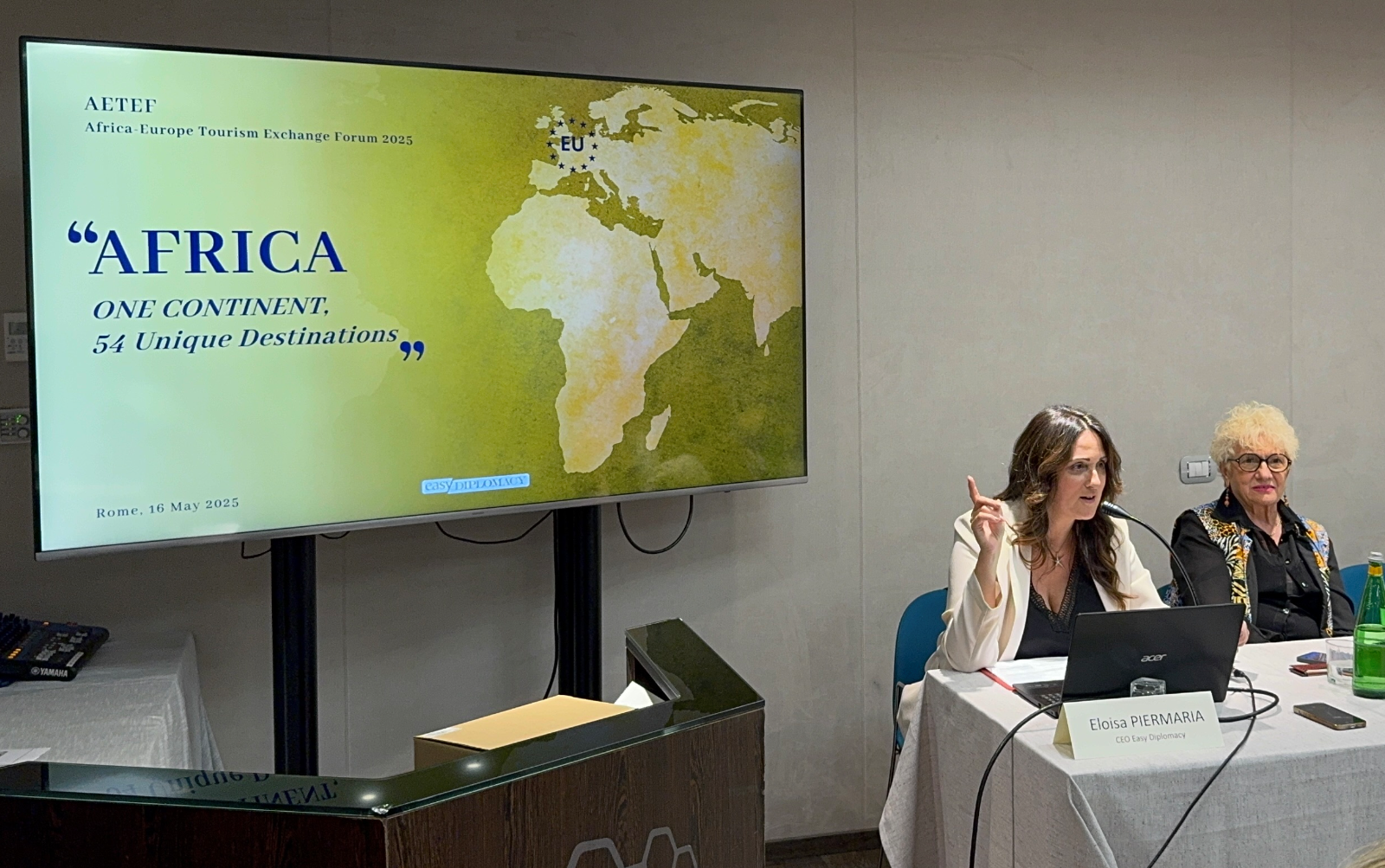
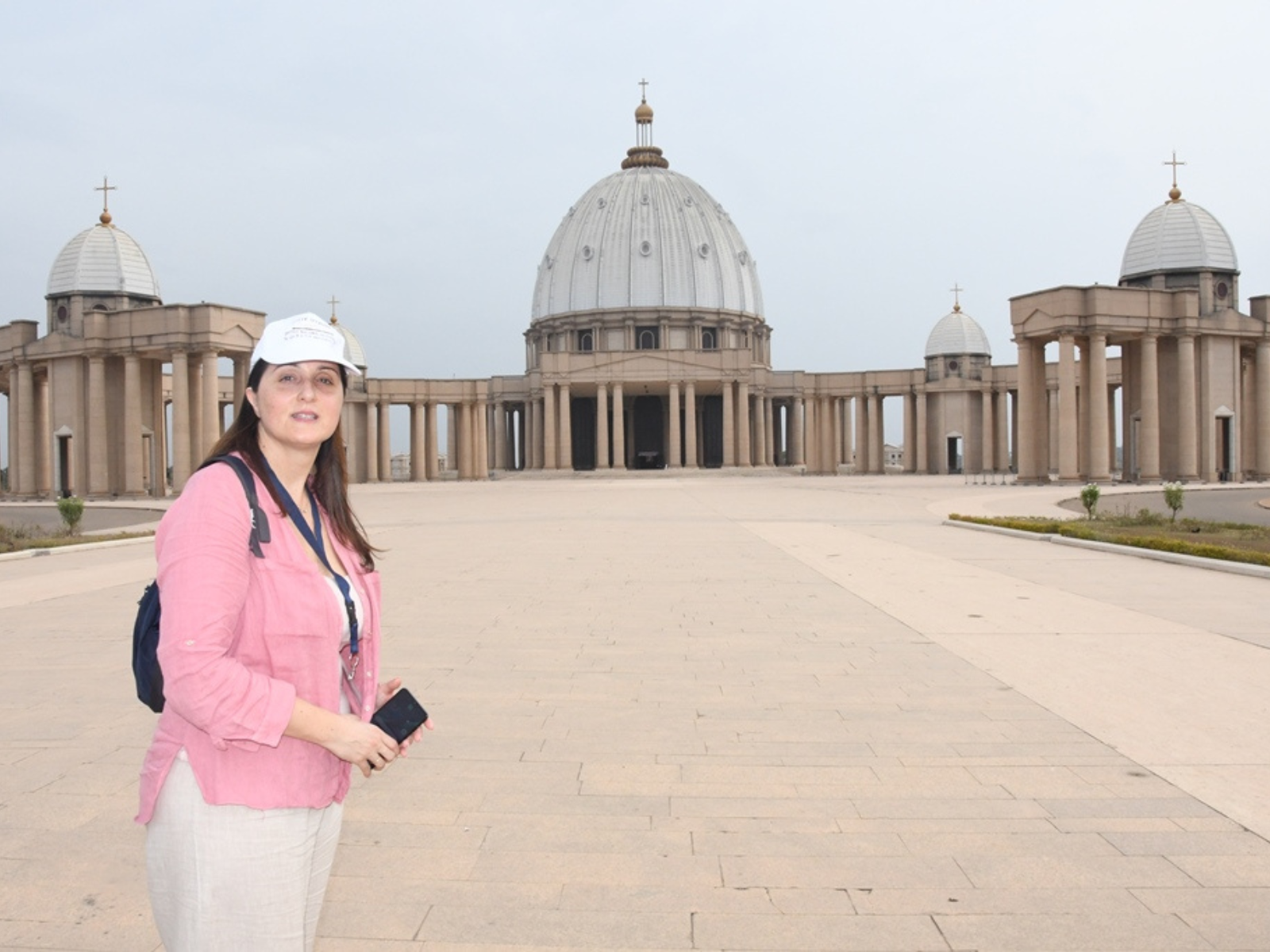
When an Embassy purchases its own headquarters, it is not simply buying a property. It is strengthening its presence in Italy.
Rome, September 7, 2026
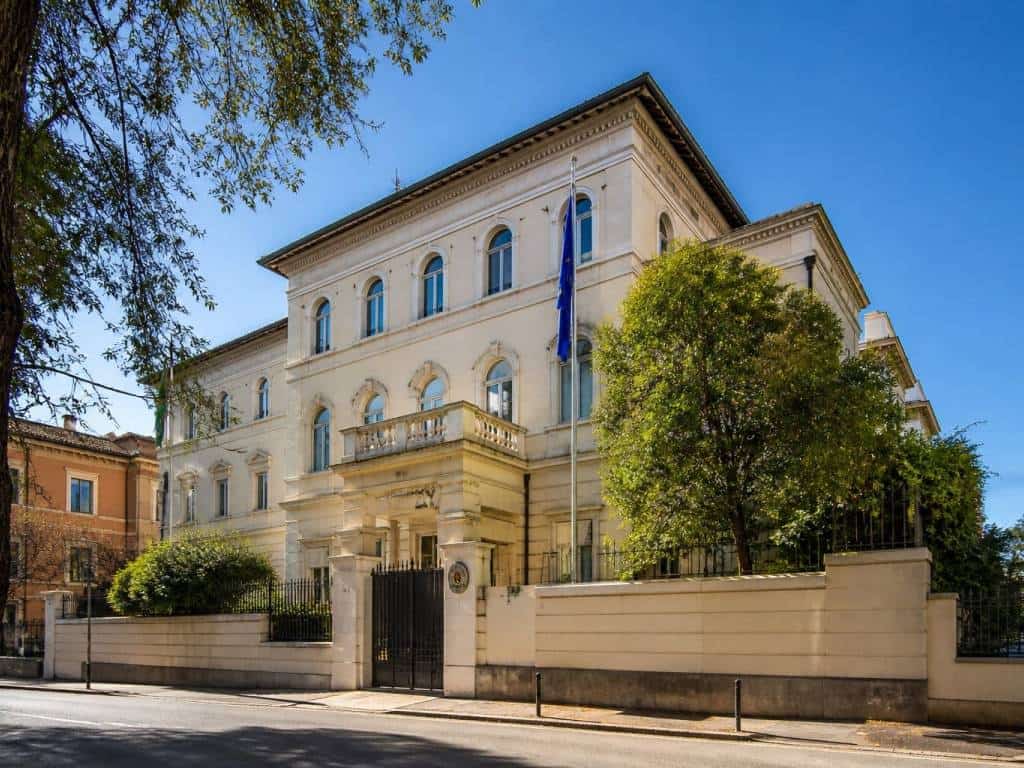
Behind every diplomatic headquarters lies far more than a real estate transaction: there is the choice of the place from which a State will be represented for decades to come. There is the commitment to strengthening its institutional presence, investing in bilateral relations with Italy and conveying an image of stability, authority and continuity.
A diplomatic headquarters is, in every respect, an instrument of diplomacy.
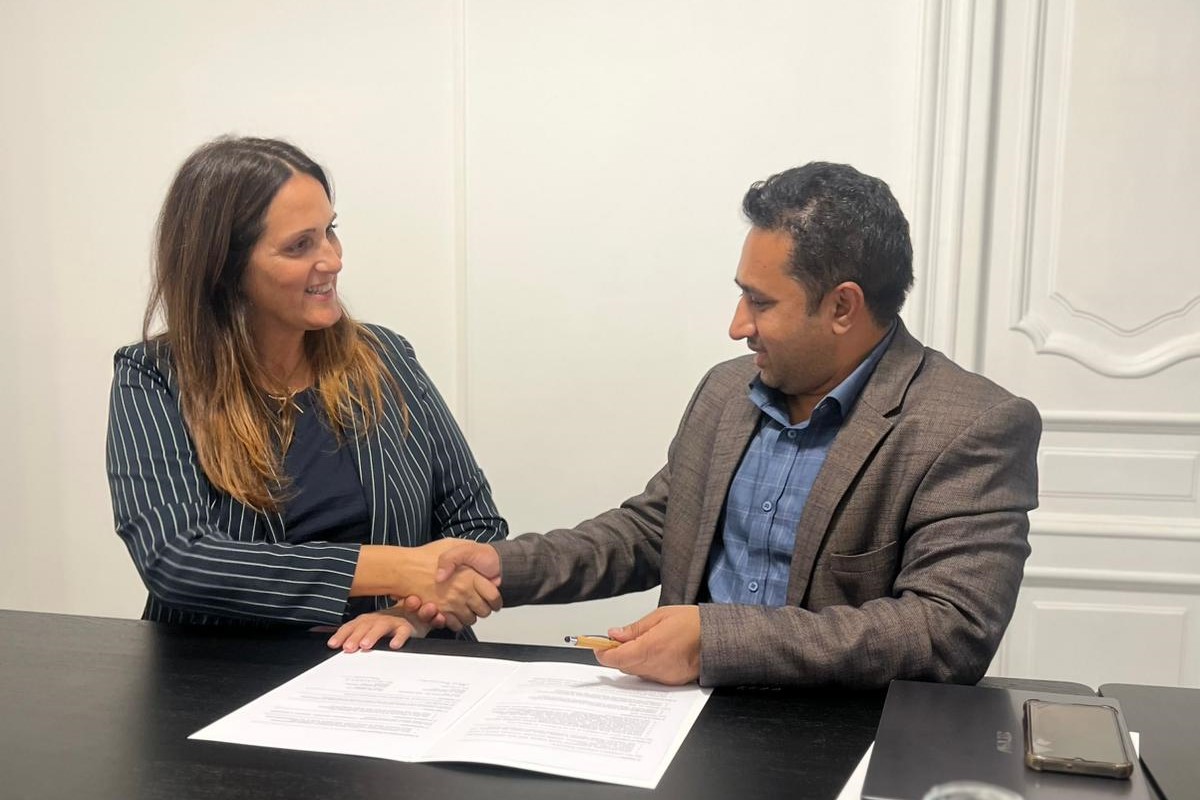
In July 2026, Easy Diplomacy Real Estate successfully completed the acquisition, on behalf of a foreign Diplomatic Mission, of a prestigious independent building in the heart of Rome’s diplomatic district, destined to become its new headquarters in Italy.
This marks the second acquisition of diplomatic headquarters completed in the company’s history and one of the most prestigious and complex transactions we have had the honour of bringing to a successful conclusion.
The result was made possible by three closely interconnected elements: an exclusive search mandate, a relationship of deep trust with the Embassy and the strong synergy built with our client throughout the entire process.
This experience once again confirms a fundamental principle behind the way we work:
the real challenge is not finding a property. It is identifying the right one and successfully guiding the client through to the completion of the transaction.
Searching for Embassy headquarters in Rome: why this is not an ordinary real estate search
Rome offers an extraordinary real estate heritage.
Historic palazzi, prestigious villas, independent buildings, office properties and high-end residences can be found throughout many areas of the Italian capital.
With in-depth knowledge of the market and the right network, finding prestigious properties is not necessarily the most difficult part. Although the search itself can certainly be demanding.
The real challenge is understanding which of those properties can genuinely become the headquarters of a State’s diplomatic representation.
A Diplomatic Mission is not simply looking for a certain number of square metres in a particular area.
A Chancery, a Consulate or the Official Residence of a Head of Mission each have specific and very different requirements.
The representative character of the building, its location, internal layout, accessibility, logistical and security considerations, technical characteristics and the possibility of adapting the property to its intended functions all come into play.
But above all, there is one factor that completely changes the nature of the transaction:
the purchaser is a foreign State.

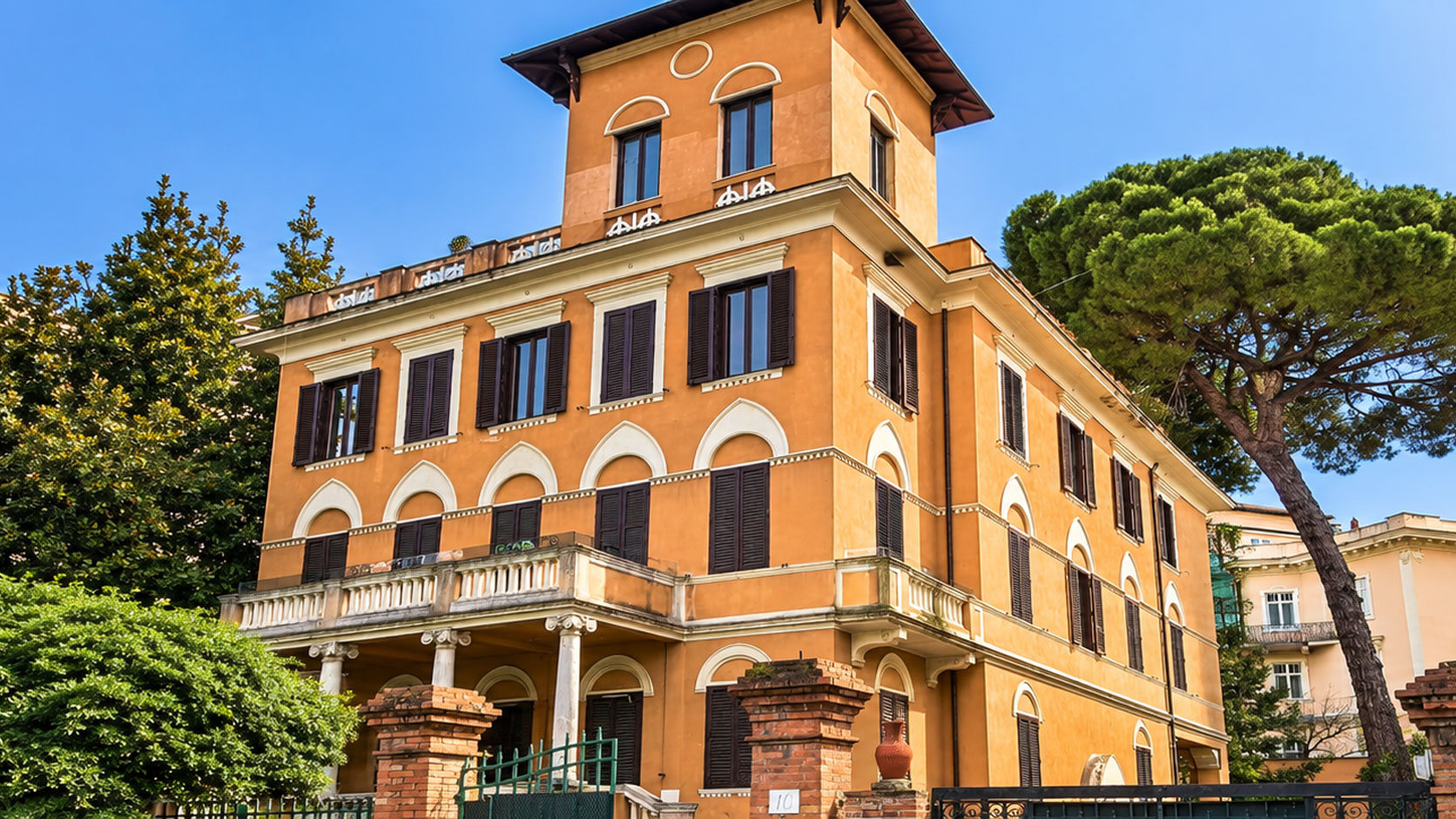
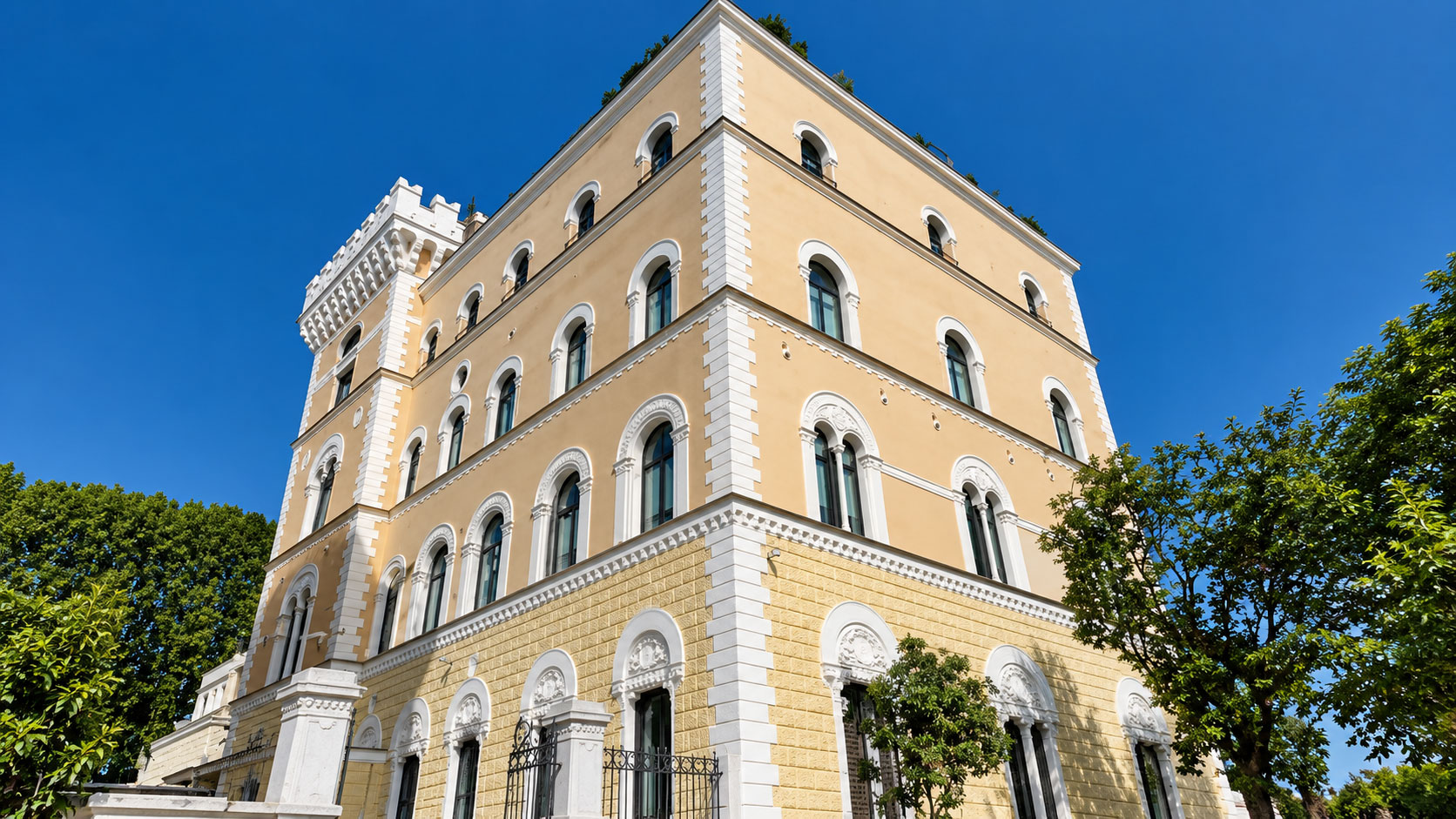
When the purchaser is a State, the rules of the process change
One of the main complexities involved in the search for diplomatic headquarters arises precisely from the interaction between two different systems.
On one side is the Italian real estate market, with its own stakeholders, procedures and timelines.
On the other is a Diplomatic Mission operating according to the procedures of its own Government.
Every country has different decision-making processes.
Every Embassy follows its own governmental protocols.
A decision may involve the Ministry of Foreign Affairs of the country represented, other Ministries, supervisory bodies, different levels of approval and advisers responsible for assessing the technical, financial and legal aspects of the transaction.
The timing and procedures through which a State reaches a decision can therefore differ significantly from those of a conventional real estate transaction.
Assuming that the standard rules of the Italian real estate market can simply be applied to a foreign State is one of the most common mistakes.
This is precisely where the value of a truly specialised service becomes apparent.
Real estate, legal or technical expertise, taken individually, is not enough.
What is needed is someone capable of understanding both worlds and creating a bridge between them.
The risk for an Embassy? Losing time on the wrong property
When a Diplomatic Mission begins searching for a new headquarters, it may receive numerous proposals.
Different parties may suggest buildings that appear suitable. Viewings are arranged, documents are requested, technical assessments begin and discussions with property owners get underway.
But a prestigious property is not necessarily a property suitable for an Embassy.
Discovering too late that a fundamental requirement cannot be met may mean months of work, due diligence and negotiations that ultimately lead nowhere.
This is why our work begins before the property search itself.
It begins with understanding the client.
Its requirements.
The functions that the building will need to accommodate.
Its priorities.
Its constraints.
Its budget.
Its approval processes.
And also the institutional culture of the country we represent.
Only when we truly understand what we are looking for can we begin the search.
The exclusive search mandate: an act of Trust
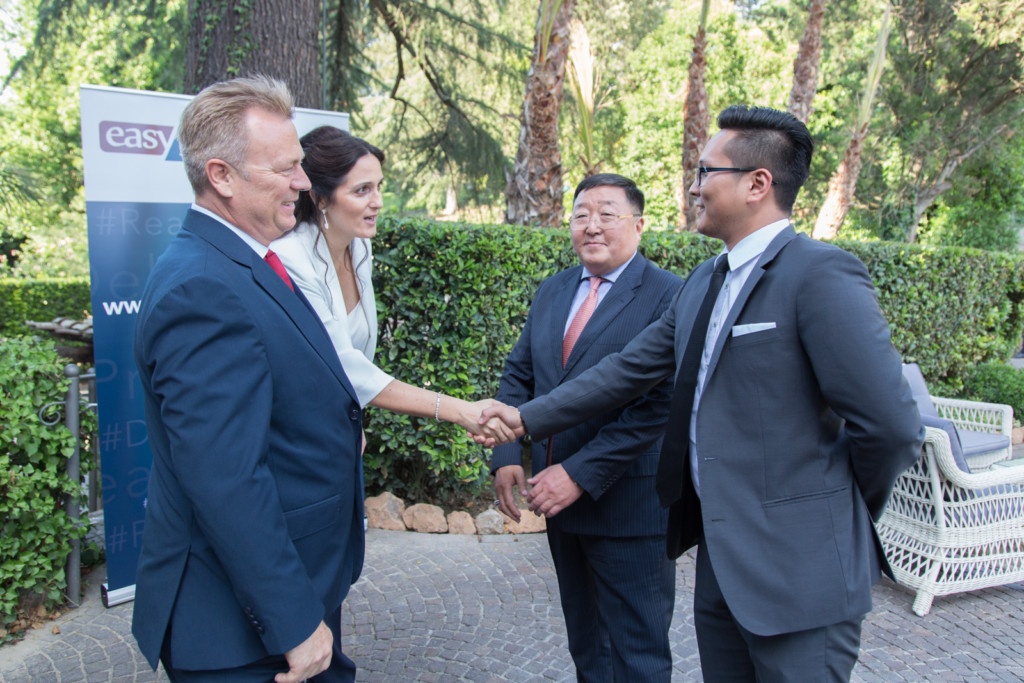
It is within this context that an exclusive search mandate for an Embassy takes on a meaning that goes far beyond that of a traditional real estate mandate.
First and foremost, it is an act of Trust.
The Mission appoints a single point of contact to safeguard its interests, manage confidentiality and take responsibility for supporting it throughout the entire process.
Most importantly, however, exclusivity allows us to build something that is fundamental to our work: a genuine synergy with the client.
Working side by side means progressively understanding not only what is formally stated in the search requirements, but also what truly drives the decision.
It means understanding priorities, sensitivities and procedures.
It means being able to represent the Embassy even – and especially – when the client is not directly present at the negotiating table.
And it means being able to select and approach the market with far greater precision.
We do not do real estate tourism
It is an expression we often use because it captures our approach perfectly.
We do not present dozens of properties hoping that one of them might work.
The number of viewings is not a measure of the quality of a search.
Quite the opposite.
The better we understand the client, the better we can eliminate from the outset everything that is not genuinely aligned with its requirements.
Our objective is to present fewer properties, but to present them better. To identify the right one efficiently.
This protects the Diplomatic Mission’s time, as well as that of the property owners with whom we engage.
Finding the right property is only the beginning: the value of Project Management
Even once the right building has been identified, the transaction is far from complete.
In many cases, this is precisely when the most delicate phase begins.
Technical assessments, due diligence, legal matters, financial negotiations, discussions with the property owner, governmental procedures, approvals, advisers, banks, lawyers, technical experts and notaries may all become involved in the process at the same time.
Each professional rightly oversees their own area of expertise.
But a complex transaction also requires a single, coordinated direction.
Someone needs to maintain an overall view, understand the interdependencies between the different activities, coordinate the stakeholders, anticipate potential issues and ensure that the process continues to move forward.
This is where Project Management applied to the diplomatic environment becomes a decisive factor.
A single point of contact capable of engaging with property owners, notaries, banks, lawyers, technical experts, advisers and public authorities, while at the same time maintaining constant alignment with the Mission and its decision-making processes.
The objective is to transform an inevitably complex transaction into a process that is structured, controlled, confidential and efficient.
Case study: new diplomatic headquarters in the heart of Rome
The transaction completed in July 2026 is a concrete example of this model.
The starting point was an exclusive search mandate entrusted to Easy Diplomacy Real Estate by the Diplomatic Mission.
From that moment, we embarked on a shared journey with the client: from gaining an in-depth understanding of its requirements to conducting the search, selecting opportunities, identifying the building and managing the subsequent phases of the transaction.
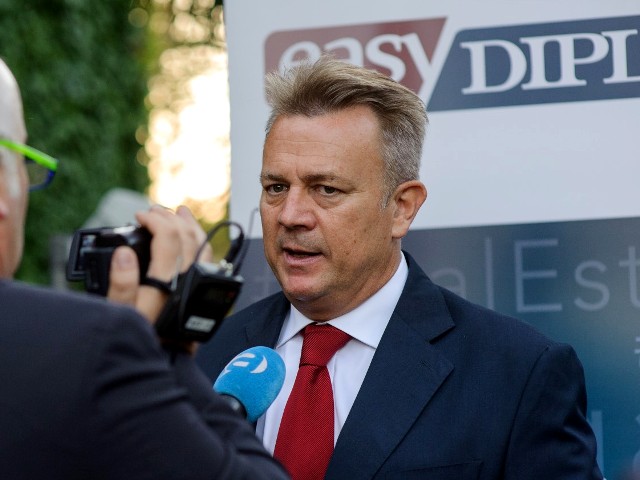
Alessandro Ghirelli, as technical expert and Sole Director of Easy Diplomacy Real Estate S.r.l., identified the right building and recognised its potential as the Mission’s future headquarters.
Turning that initial insight into a successfully completed transaction then required the coordination of different areas of expertise, procedures and institutional sensitivities.
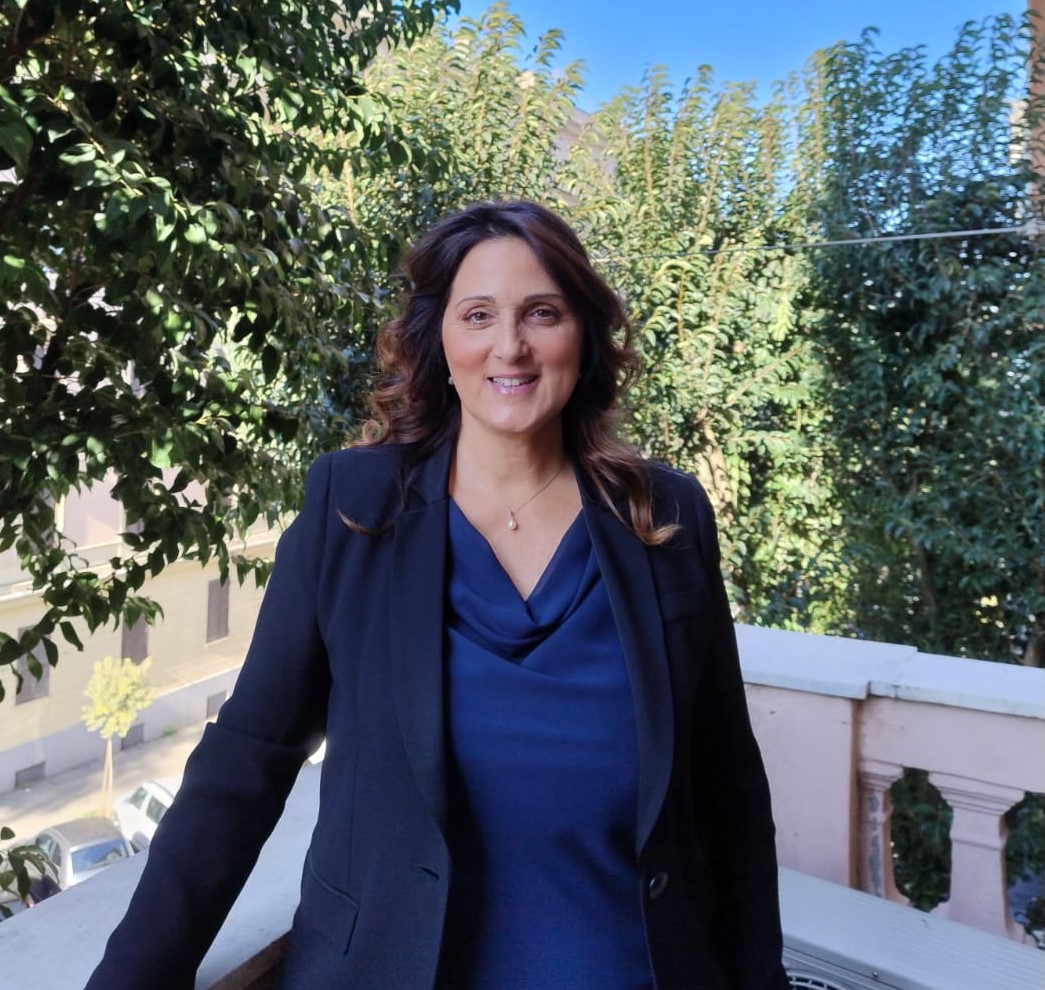
Within this process, Eloisa Piermaria’s diplomatic experience and Project Management expertise, developed over more than twenty years of service and the management of complex projects for foreign countries and institutions, represented a key added value throughout the transaction.
The final result is a prestigious independent building in the heart of Rome’s diplomatic district, which will become the Mission’s new headquarters in Italy.
For us, however, the result is not simply the property acquired.
It is having successfully supported the client from beginning to end, representing its interests and transforming the trust placed in us into a tangible result.
And on the other side of the transaction, there is a property owner
Every real estate acquisition naturally involves two sides.
If on one side there is a State searching for its future diplomatic headquarters, on the other there may be a property owner with a significant asset who wants to sell it on the best possible terms and to the right buyer.
Rome offers numerous independent buildings, villas, office buildings and prestigious properties which, due to their characteristics and location, may have particular potential within the diplomatic and institutional market.
But accessing that market is not automatic.
Do you own a building in Rome? Are you sure your buyer is on the traditional real estate market?
For the owner of an important asset, the challenge is not always obtaining greater visibility.
More often, it is about achieving the right visibility among the right potential buyers.
Publishing a property across numerous channels may increase its exposure, but it does not necessarily bring it closer to the most qualified potential buyer.
Indeed, for certain assets, indiscriminate and prolonged exposure on the market can even become counterproductive.
The same building being marketed for a long period by multiple intermediaries, perhaps with different information or positioning, may gradually lose the perception of exclusivity that should instead characterise it.
For other property owners, the issue is different again.
They do not want the asset to be publicly marketed.
Private owners, family offices, companies, investors or financial institutions may wish to explore a potential sale while maintaining a high degree of confidentiality.
In both cases, the question becomes:
how can you directly reach a genuinely qualified institutional buyer?
An Embassy cannot be reached simply through a real estate listing
The diplomatic market has its own dynamics.
Institutional relationships, credibility, reputation and trust play a decisive role.
Knowing that a Mission is considering acquiring a new headquarters, understanding its actual requirements and being in a position to present a suitable asset directly requires a presence within the diplomatic community that can only be built over time.
An international network cannot simply be purchased as a database.
It is the result of years of relationships and work serving Embassies, foreign countries and institutions.
And it is precisely this network that can give a property owner access to a market that may be extremely difficult to reach through conventional real estate channels.
Not every property is suitable for an Embassy
Here too, selection is fundamental.
Owning a prestigious building does not automatically mean owning a property suitable for the diplomatic market.
Location, size, technical characteristics, internal layout, accessibility, representative qualities, potential for adaptation and many other variables must be assessed against the actual requirements of the market.
For this reason, Easy Diplomacy Real Estate does not indiscriminately present properties to its network.
Our objective is to create a qualified match between the right asset and the right Mission.
When we have an in-depth understanding of what an Embassy is looking for and, at the same time, access to a suitable property, we can create an opportunity for the two sides to meet that might never arise through the conventional real estate market.
Two different needs, one common element: Trust
This is precisely where the two sides of the transaction come together.
For the Embassy, trust means knowing that the person conducting the search understands its language, procedures and interests, selects only opportunities genuinely aligned with its requirements and ensures the highest level of confidentiality and discretion at every stage of the process.
For the property owner, trust means knowing that the asset is handled professionally and presented only when there is a qualified counterpart and a genuine fit.
In both cases, trust is not simply a stated value.
It is an operational tool.
It provides access to information, enables us to understand requirements that cannot always be made public, manage confidentiality, address critical issues and create the conditions for supply and demand to genuinely meet.
Easy Diplomacy Real Estate: bringing diplomacy into real estate
For more than twenty years, Easy Diplomacy has worked alongside foreign countries, Embassies, Delegations and institutions, developing an in-depth understanding of diplomatic and international dynamics.
Easy Diplomacy Real Estate brings this wealth of experience into the high-end institutional real estate sector.
And this is what makes us different.
We have not simply brought real estate into the diplomatic world.
We have brought diplomacy into real estate.
For an Embassy, this means having a Partner who understands its language, requirements, sensitivities and procedures, and who can support it from the initial search through to the acquisition of its future headquarters.
For a property owner, investor or financial institution, it means gaining access to a highly qualified diplomatic and institutional market, through an international network, specialist positioning and relationships built over time.
Every Embassy will remember the day it enters its new headquarters.
We want to be remembered for making that journey simple, secure and worthy of what it represents.
Because when representing a State, nothing can be left to chance.
Easy Diplomacy Real Estate.
Where diplomacy meets real estate.
Are you looking for new Embassy headquarters in Rome?
If you represent an Embassy, a Diplomatic Mission or an international institution and are considering purchasing or leasing a prestigious new headquarters in Rome, Easy Diplomacy Real Estate can support you through a dedicated search mandate, from defining your requirements and selecting the right property through to coordinating the entire process
Do you own a prestigious building or property in Rome?
If you are a property owner, investor, company, family office or financial institution and own an independent building, villa or prestigious property in Rome, we can assess its potential in relation to the requirements of our diplomatic and international network.
Because for an important asset, it is not necessarily about reaching more people.
It is about reaching the right one.
And in some cases, that buyer may be a State.
If you have a concrete project, let’s talk.
Contact Alessandro Ghirelli and Eloisa Piermaria at Easy Diplomacy Real Estate for an initial confidential discussion.